Basics of light vol. 1
Read study
↓
↓
January 2026
Attributes of light expressed with Houdini and Redshift
Initial curiosity
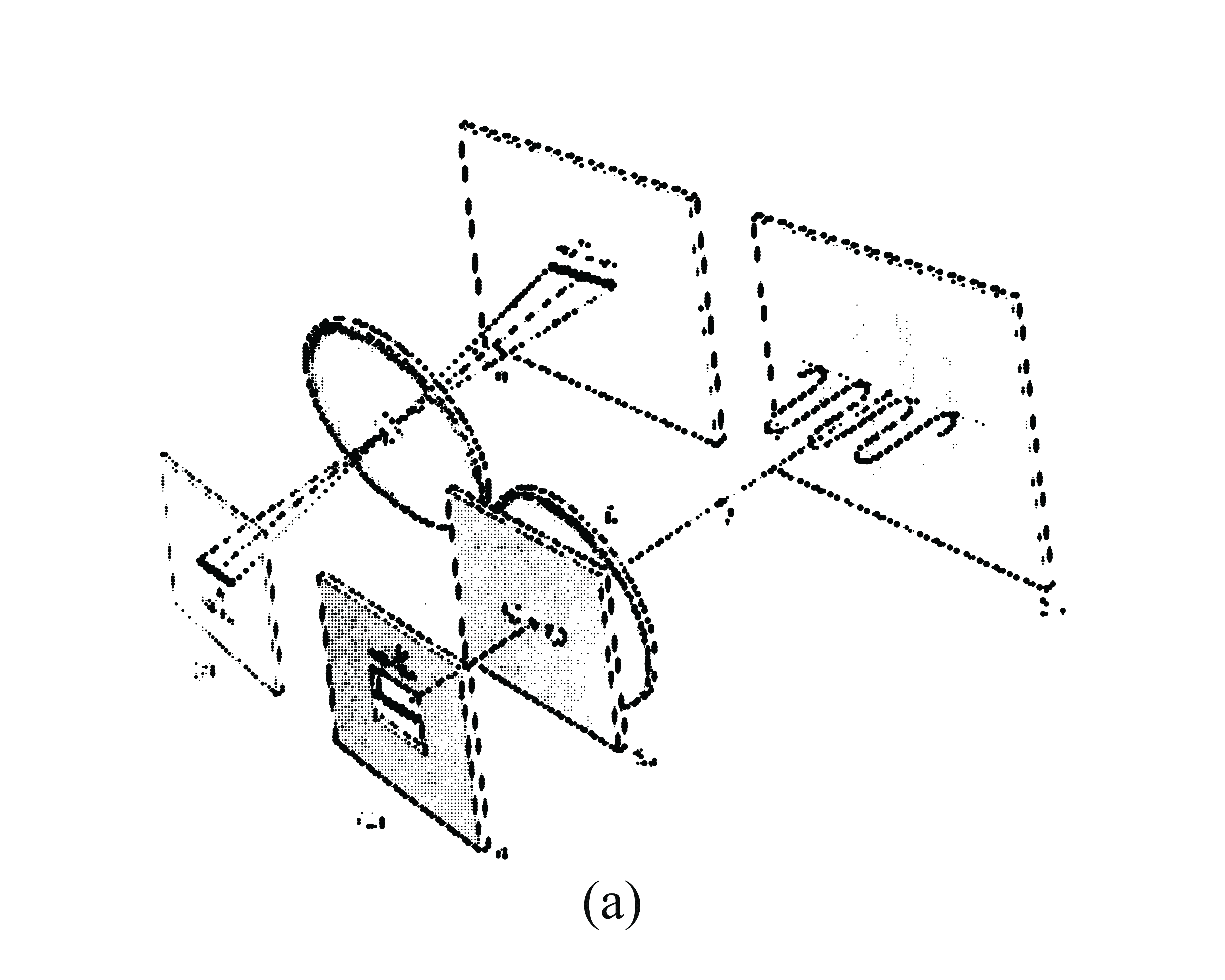
It seems light has an incomplete understanding. Smart people describe what it does and how it works, much less on why it is. Technology currently uses it to dress AI, but it's Genesis is much more fascinating. What we do know is that light has a way of being, a character, imbued if it's being viewed (a). It's nature is shared by our Sun (b), lightening and a few small creatures but it's wildly expansive.
This study, completed in sets, is an attempt to learn about light, it's attributes, properties and dynamics, but more so why it is and if it's safe to assume light's purpose is driven.
Premise
My initial thought was to learn of light through the lens of science, however, it occurred to me, I may form a comprehensive understanding if light is studied through multiple facets of the human experience ie science, arts and humanities.
Isaac Newton was the first to separate light's component pieces with a prism. Is a similar consideration of light discussed in sonics and rhythm? linguistics and poetry? philosophy and art? The prism as a tool for deconstruction is a remarkable discovery.
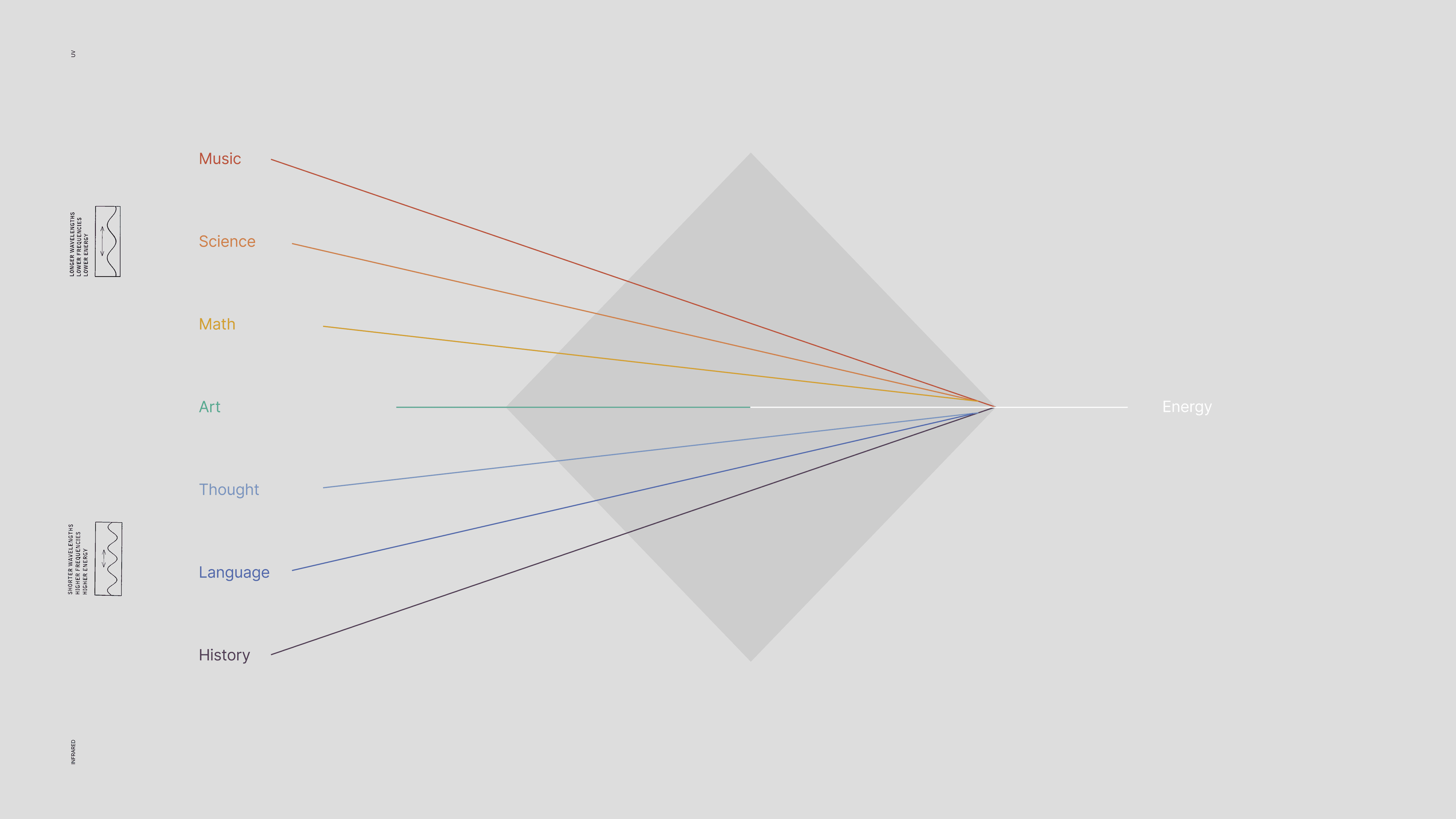
I want to use the principles of a prism, to separate light, as a means to study lights expression.
The prism is the outline
Extracting the components of specific interpretations of light requires framing. I chose: Music, Science, Math, Art, Thought, Language and History as my nexus. These disciplines are of course dense, which prompted further deconstruction ie I'll study up to seven components within each discipline. I chose seven to mirror the dispersion of white light, seven is also a prime number and symbolizes completeness.
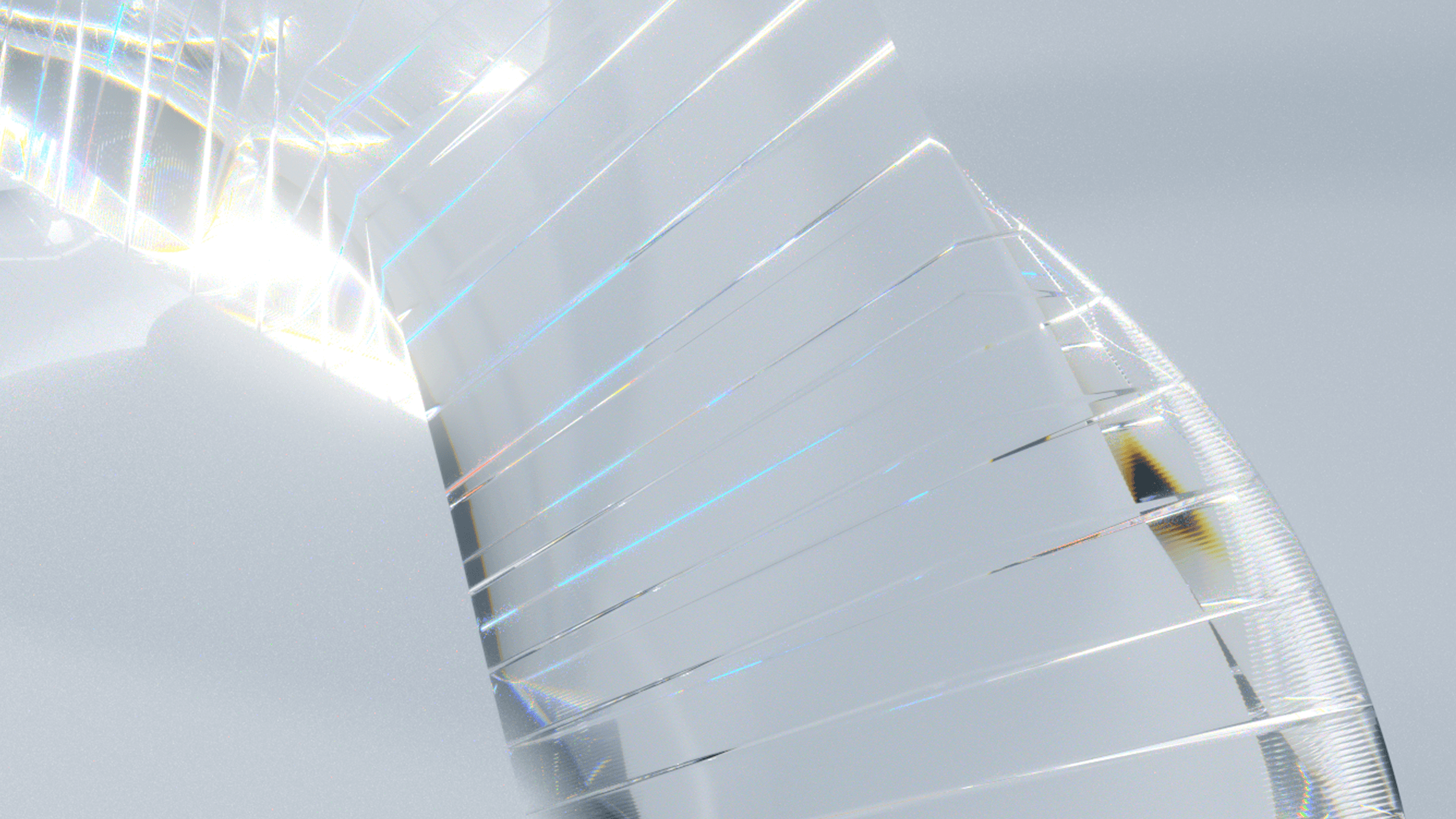
Creating geometry as glass in Houdini imitates a prism, a similar occurrence happens through a double glass window.
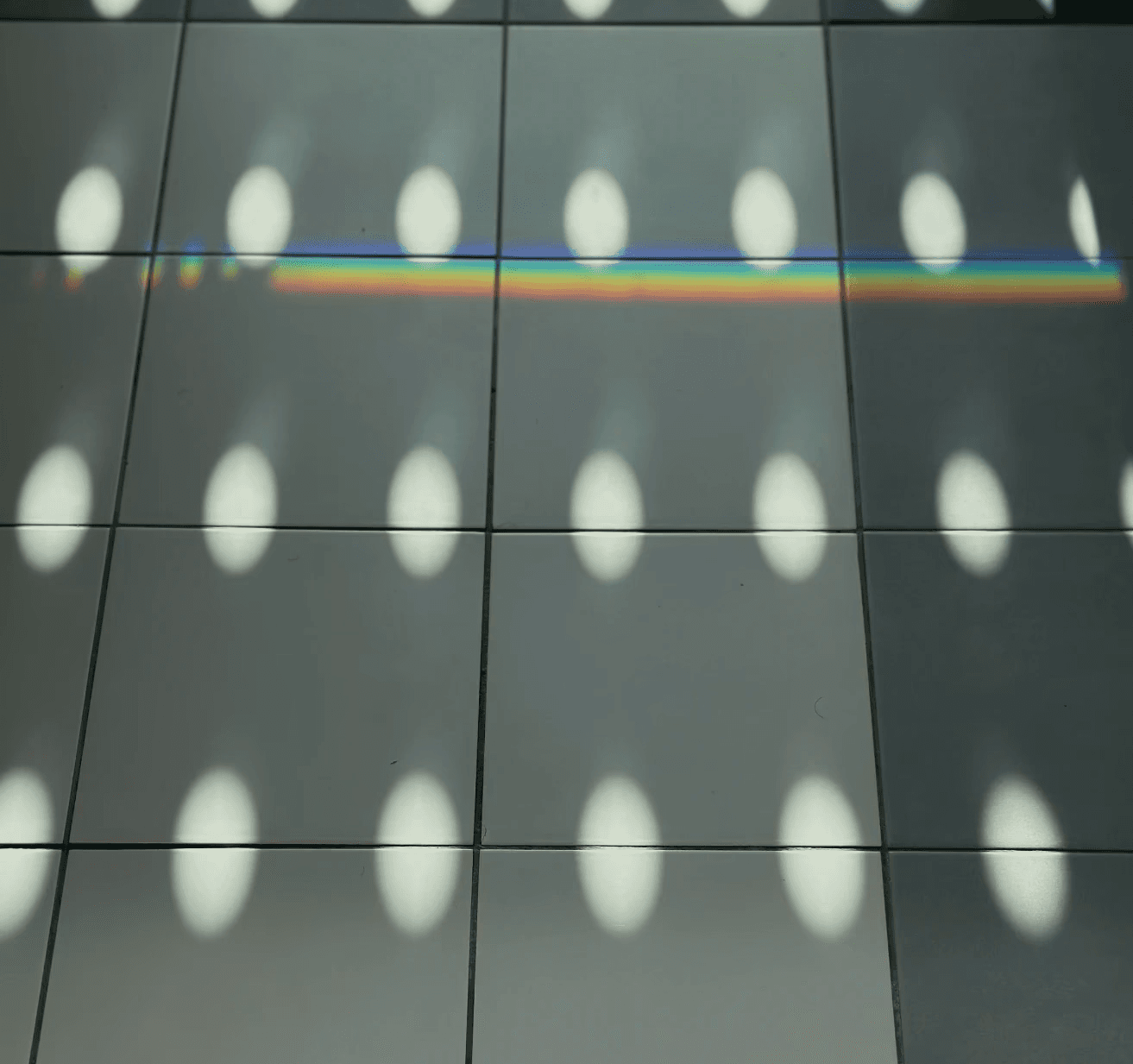
How to see phenomenon on it's terms
Adjusting the prism's solid state alters dispersion levels. Light bends as it passes from air into objects with higher density. Science has language to describe much of what's happening ie wavelength dependence, Snell's Law (Law of Refraction), deviation, etc.
Replicating the action shows I can parrot what happens, which is a first step. But can this imitation through replication approach uncover principles of why a prism is the tool of choice for deconstruction?

Spectrum
I'm gathering basics on refraction and diffusion and adjusting the origin form alters how light bends and interacts with itself.
In volume two, I'm looking to finesse my stance and polish my approach – the prism, as a concept for exploring other interpretations works enough to proceed, however I need clear understanding of my principles before further construction.
Share study